In its final season, Game of Thrones saw a decline in many areas, one of the most obvious being the characters. More specifically, their characterization. It felt like in order to push the narrative along, the showrunners decided that, despite taking seasons to set up and develop this world and it’s residents, the characters were going to just do whatever was needed to get to the end.
Maybe they thought fans wouldn’t notice. We did. We noticed.
“With great power comes great responsibility.” It’s a saying we’ve all heard countless times. And despite the fact that it is most often associated with our Friendly Neighborhood Spider-Man, those words can really be applied to any hero. It’s not an easy burden to carry, and most times the hero in question does not ask for this great power, but nevertheless, when it matters, that person assumes the role that has been assigned to them, because that’s what heroes do. Jon Snow was a hero. For many viewers it was clear from very early on that he was so much more than just the Bastard of Winterfell.
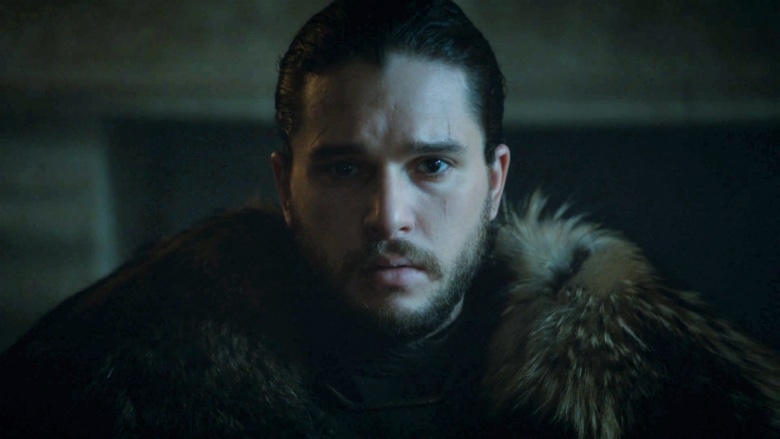
Jon Snow was unique. Unlike most of George R.R. Martin’s other characters, there was no moral ambiguity to him. When it counted, he always did the right thing, even if it meant he had to suffer. And it almost always did. A character like that is not for everyone. A lot of people can’t see the point in being the world’s punching bag and having almost nothing to show for it. But Jon Snow fans held out hope. Jon was special, so it was alright that he suffered for a time. Even after watching him be repeatedly stabbed to death, viewers just knew it wasn’t the end. It was all apart of something bigger. But, even though his story wasn’t over, we were wrong. Jon’s true purpose was to be exactly what he’d always been: the scapegoat for someone else’s sins, a bastard, left at the end of the world to be forgotten. So what was it all for?
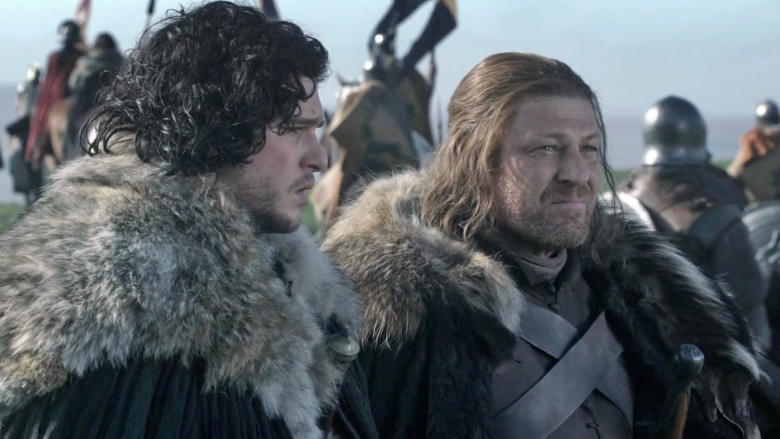
Jon’s entire life he wondered about his mother. Who she was, what she looked like, and why she abandoned him. In what would be the last conversation he ever had with Ned Stark, the man he believed to be his father, he asked him if his mother was alive and if she cared about him at all. Besides Old Nan, the only thing close to a maternal figure he had was Lady Stark, and Catelyn never kept her contempt for him a secret. The mystery surrounding his mother’s identity and his bastard status drove so many of the major decisions in his storyline. Although R+L=J was confirmed for fans in the final episode of season 6, Jon (Aegon) was still completely in the dark. This truth would change everything for Jon and it’s revelation should have been one of Game of Thrones’ most powerful and poignant scenes. Instead, the truth was blurted out to him by Samwell Tarly, due to his anger that Daenerys had executed his father and brother. And we didn’t even get to see Jon process this information, giving this 8 season story arc the most lackluster conclusion possible.
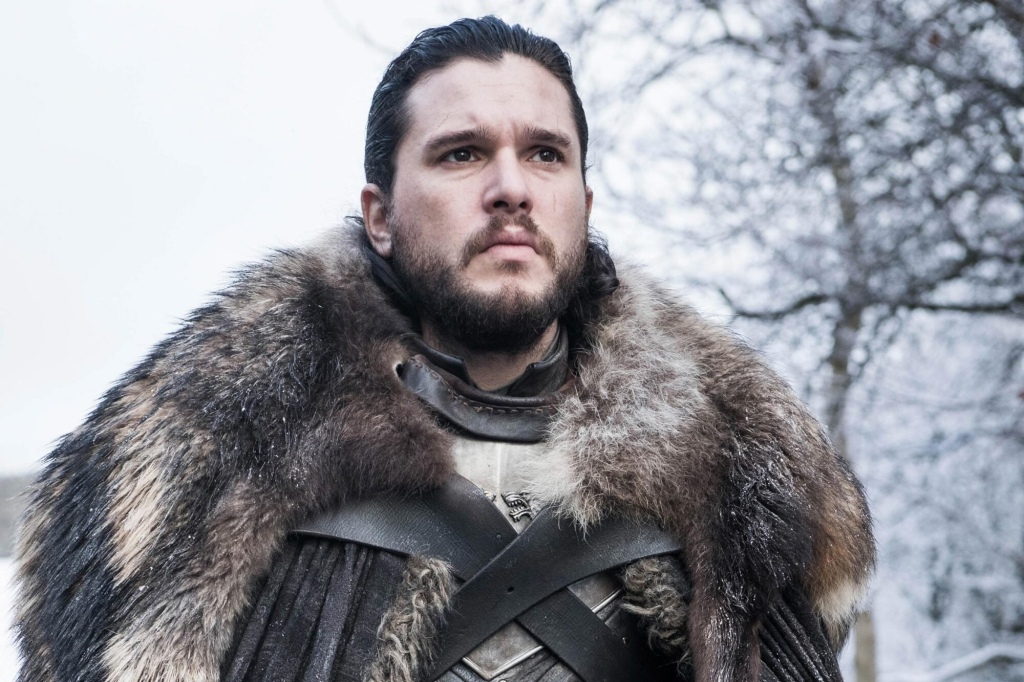
Unfortunately, this was not the end of GOT’s crimes against the White Wolf. From the moment he spoke up to save the direwolf pups in season 1, it was clear that if Jon saw the opportunity to help someone who couldn’t help themselves, he would. Sam, Ygritte, and the rest of the wildings could all attest to that fact. But in season 8, he stood by and watched as miscommunications and petty infighting led to animosity between his sisters and Daenerys. His catchphrase became “I don’t want it.” in relation to his status as heir to The Iron Throne, and it wasn’t until his back was completely against the wall that he remembered who he was. By then, his only option was to murder Daenerys, the woman he had grown to love. It was so unlike him to watch all the chaos around him and cower away from leadership, and it felt like the writers made him a glorified extra until they needed him to be Jon Snow again. And as a fan of his character and someone who watched him prove himself time and time again, it was heartbreaking.
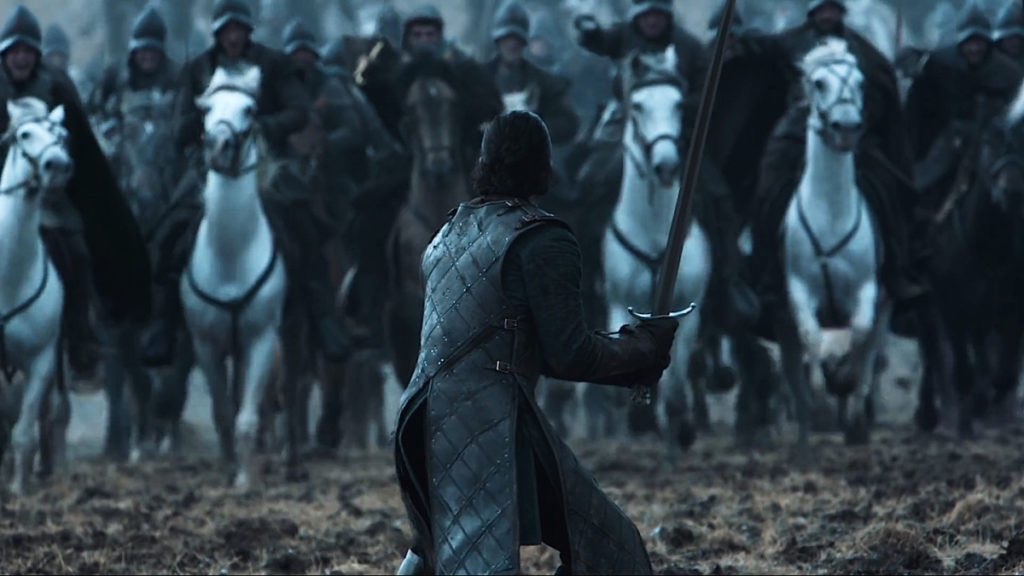
I remember watching an interview with the Game of Thrones showrunners, where they recalled sitting down for dinner with George R.R. Martin. After talking to him about adapting “A Song Of Fire & Ice” into a television show. Martin agreed to give them the rights to his work, but only if they could answer one question: “Who is Jon Snow’s mother?”. I don’t know Mr. Martin personally, but when I heard this story I always thought that the reason he chose to ask them that question was his way of showing them how important Jon was. Lyanna and Rhaegar’s love story is a great mystery, but it only really mattered because of what it meant for Jon. While the season 6 finale did a phenomenal job of revealing this truth, everything after that took that truth and squandered it, and Jon’s character (and Game of Thrones fans) had to suffer.
 E. Watches T.V (and Movies)